
Business Day
04 September 2026
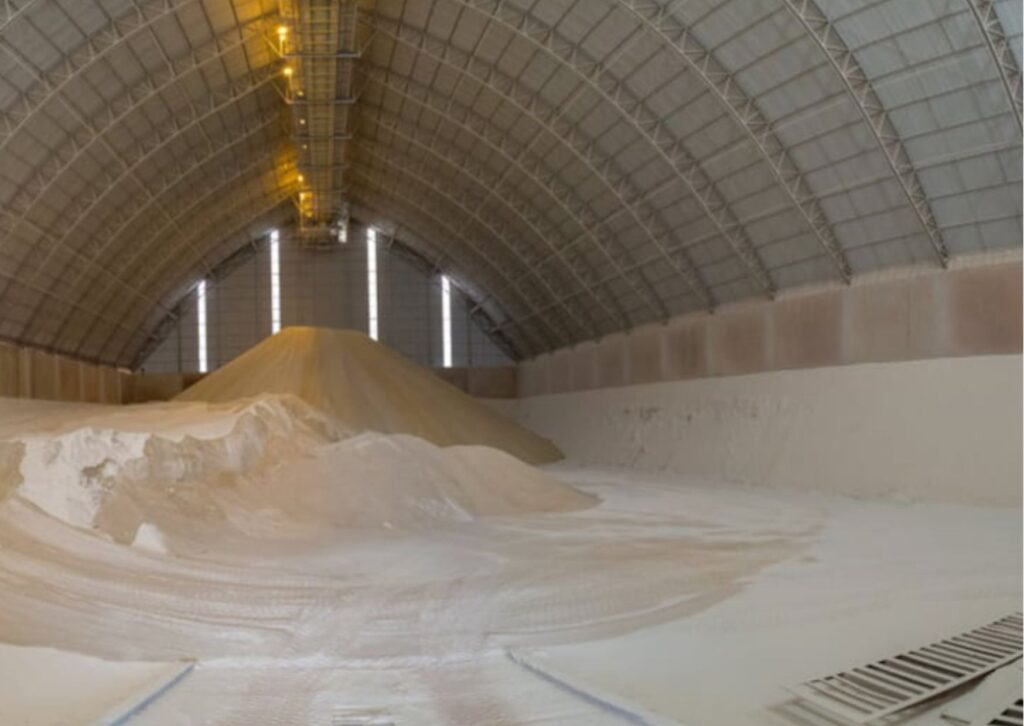
In the letters section of this paper, a few weeks ago, one Jeremy Samson, a reader from Wynberg expressed frustration at the ‘bland’ SENS notifications he often encountered, ‘filled with self-congratulatory boardroom speak’.
‘Why can’t they tell it like it is?’, Samson asked, as he lamented the ‘sugary drivel’ that took ‘liberties’ in ‘embellishing’ the story behind the numbers. Samson may have also been implicitly referring to market prints that not only embellish but also seek out ‘convenient’ scapegoats. Such ‘literary license’ was on display in the recent data print from miller and consumer goods group, RCL. Lamenting an 8.6% decline in their earnings, dragged down by lower sugar and pet food results, RCL placed the blame squarely on the ‘absence’ of effective (or inadequate?) tariffs.
‘Sugar was materially impacted by deep-sea imports, enabled by ineffective tariff protection’, read the RCL print.
Further down, the company went further to suggest that the flood of imports was enabled by, ‘the absence of effective tariff protection’.
The reader may not be blamed for thinking at this stage, that the domestic sugar industry is, ‘riding kamikaze’ without any tariff protection. The SENS, in implying an ‘absence’ of protection, rather than a displeasure with the existing ‘level’ of protection; revealed a concerning disregard for factual accuracy. To explain away a poor earnings outcome.
Fair comment one might say, however how the observation was framed and the attribution for the result, inadequately informs the reader or shareholder about what tariff protection may exist, currently or prospectively to respond to shifting import volumes.
Firstly, there is no ‘absence’ of a tariff on sugar. The sugar market enjoyed (until a recent decision) a $680 price floor, such that when world market prices declined, the corresponding ad valorem tariff rose anywhere between 0% and 105%, the further world market prices depart beneat the ‘floor’.
Secondly, while sensitive to the structural distortions that necessitate this level of protection; the ‘distortions’ of overproduction (and our relative role as holders of a negligible share of global production) are not unique to sugar. The domestic sugar market, least of all since its ‘partial’ liberalization from the Control Board ‘broederskap’ of the previous order, has retained not only vestiges of the old order (like its own act, regulations and a single channel export monopoly) ; but even under the WTO dispensation retains tariff ceilings (or bound rates) at over 100%. Compare this to steel (where the highest ceilings are at 30%) or even cement (where tariff ceilings are at 0% – allowing no further adjustment). At the price floor that coincided with RCL’s reporting period, the adjustment in the sugar tariff ‘triggered’ in February raised the ad valorem equivalent duty to around 67%. Much different to the ‘absence’ RCL suggests. Is it enough? Maybe not but show me how many other industries faced by similar chronic overproduction enjoy similar levels of protection within the tariff concessions South Africa signed onto in the 1990s. The sugar industry enjoys extensive ‘policy space’ that allows for the ‘de-linking’ of domestic prices to world market prices, second to none. The recent decision by the Ministers of Trade and Finance, on the recommendation of the trade regulator, ITAC to raise the price floor to $785; reflects the difficult balances policymakers need to strike.
While it may be fair comment to suggest that the ‘level’ of the tariff may not be adequate (or too far from 105%), that is a matter of preference, policy and technical judgement. So too is it a function of the policy ‘limits’ of tariffs as an instrument. It is something altogether different, to assert wholesale, the ‘absence’ of protection. The recent decision to amend the price floor not only considered the world market price (adjusted for structural distortions), but also the cost differentials in producing South African sugar relative to markets where sugar enjoys dual circulation (for human use and bio-ethanol). It recognized that the playing field is not fair, but also that any policy changes visit a distributional burden on downstream users as well.
To avoid, ‘telling it like it is’, as Samson suggested, is to trade factual accuracy for agitational commentary, while hiding important detail behind the brevity of curt market statements.
Cawe is Chief Commissioner at the International Trade Administration He writes in his personal capacity.