
Utilities are capital-hungry behemoths, whose return cycles are atypical of profit-maximising firms.
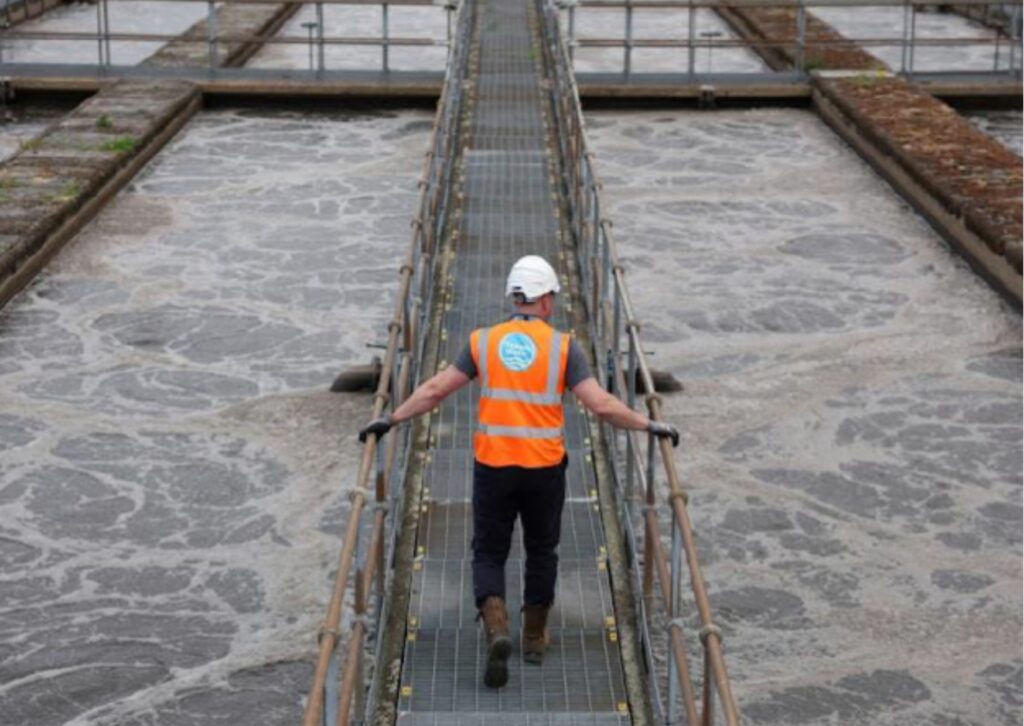
More than half of the sewer works of British utility Thames Water receive more waste than they can reasonably handle. Population growth and a decades-long crisis of underinvestment risks the continued existence of this operation tracing its roots to the early 1600s. As with the Scunthorpe steel mill, the Labour set at Whitehall are considering (or this is being imposed on them) “renationalising” the firm. Nationalisation? Yes. Across the English channel, the French renationalised their ailing energy utility EDF just more than two years ago.
The “N-word” is back, it seems, from being anathema in “Western” economic literature to “reluctant” acceptance of its necessity in moments of crisis. Paradoxically then, Thames Water is an example of when private equity and venture capital “fixes” cost the taxpayer more than nationalisation. The nearly 16-million people reliant on its services know this. Long after the banks, lawyers and transaction advisers have walked away with their “prime cuts”, the “carcass” of assets that remains will still pose problems. Bones tossed to irate customers and worried bureaucrats.
In the period after the Opec oil crisis in 1973, many of these “private” sales of erstwhile public assets paradoxically moved much closer to “nationalisation”. To the extent that, in the Thames Water case, the taxpayer is expected to pay: in higher bills and, for legislators, in regulatory leniency (including blocking environmental damage claims against the firm in the case of Thames) in return for a creditor-led bailout. This “immunity for cash” deal put forward by creditors who’ve lent about £13bn to Thames Water is the last offer on the table. If it fails such as the KKR private equity takeover, the state may have to take over under a “special administration” scheme. Back to state ownership.
A lesson, that ceding “ownership” further complicates the policy, regulatory and supervisory roles played by the state. Least of all in utilities, which are crucial to the day-to-day survival of millions of people. More telling is that this episode shows that financial and primarily capital structure “fixes” to deep activity-specific technological peculiarities of large firms, utilities and “natural” monopolies have multigenerational effects. A utility is not like a “typical” business, whose ownership is a matter of “delegated” control by shareholders interested in dividends, but a matter of public monopoly. With defined and regulated expectations of “reinvestment”, safety, and whose pricing decisions exercise a “domino-like” effect on economic and social reproductive activity.
To run it as a typical firm, further complicating it with a “lusty” appetite for lucrative dividend payouts and generous management bonuses, is tantamount to milking old, decaying equipment to underwrite these transfers. Unsurprisingly, triggering a £122.7m penalty in May from the water regulator, Ofwat. It is such “sanctions” that the creditors hope will be treated with “kid gloves”. The environmental breaches are a “symptom” of a crisis of underinvestment. A reminder that utilities, with their large minimum investment levels required for entry and long “gestation” periods and “lumpy” returns, differ from asset classes with impatient impulses for “profit-taking”. When private equity firm KKR pulled out of a mooted £4bn rescue deal for the besieged British water utility, one of the things it said was Thames’ capital equipment is too old.
The whole episode is an indication of how the ideologically inspired and debt turbocharged private acquisitions of utilities do not change the fact that “utilities” are capital-hungry behemoths, whose return cycles are atypical of profit-maximising firms. Yet as “public goods” they visit “collective action” problems on all taxpayers. Who as it seems, have to “shoulder” them, whether they appear on the shareholder register or not. It is an instructive lesson for us in our own path of reform. As the Labour government considers a last-minute “state administration” deal much like the Scunthorpe steel debacle, the British taxpayer has to save the day. Nearly four decades after the “Thatcherist” experiment sold off the “family silver”.
- Cawe is ITAC Chief Commissioner. He writes in his personal capacity.